Course Number: ABIO2610
When: Recorded playback is available between May 13, 2026 – May 13, 2031.
Where: Available under “Course Content” at the bottom of this page.
Description: This course explores Developmental Language Disorder (DLD), including core diagnostic features, key components of a comprehensive evaluation, and its connection to dyslexia. Participants will learn evidence-based strategies to support language and academic outcomes and move from assessment to meaningful, school-based impact.
Who This Course Is Good For:
- ASHA members, CCC holders, and licensed SLPs working with school-age students with language and literacy needs.
- School-based clinicians who evaluate and support students with suspected Developmental Language Disorder (DLD).
- SLPs looking to strengthen their understanding of DLD, including identification, evaluation, and its relationship to dyslexia.
- Clinicians who want practical, evidence-based strategies to improve academic and language outcomes in the classroom.
- Graduate clinicians or early-career SLPs building confidence in assessing and supporting students with language disorders.
Who This Course Isn’t Good For:
- Professionals not currently practicing or planning to practice in speech-language pathology or related clinical fields.
- Clinicians working exclusively with early intervention (birth–3) populations.
- Individuals looking for highly specialized or advanced training in standardized assessment or psychometrics.
- Learners seeking a course focused solely on dyslexia or structured literacy intervention without a language-based perspective.
Presenters:
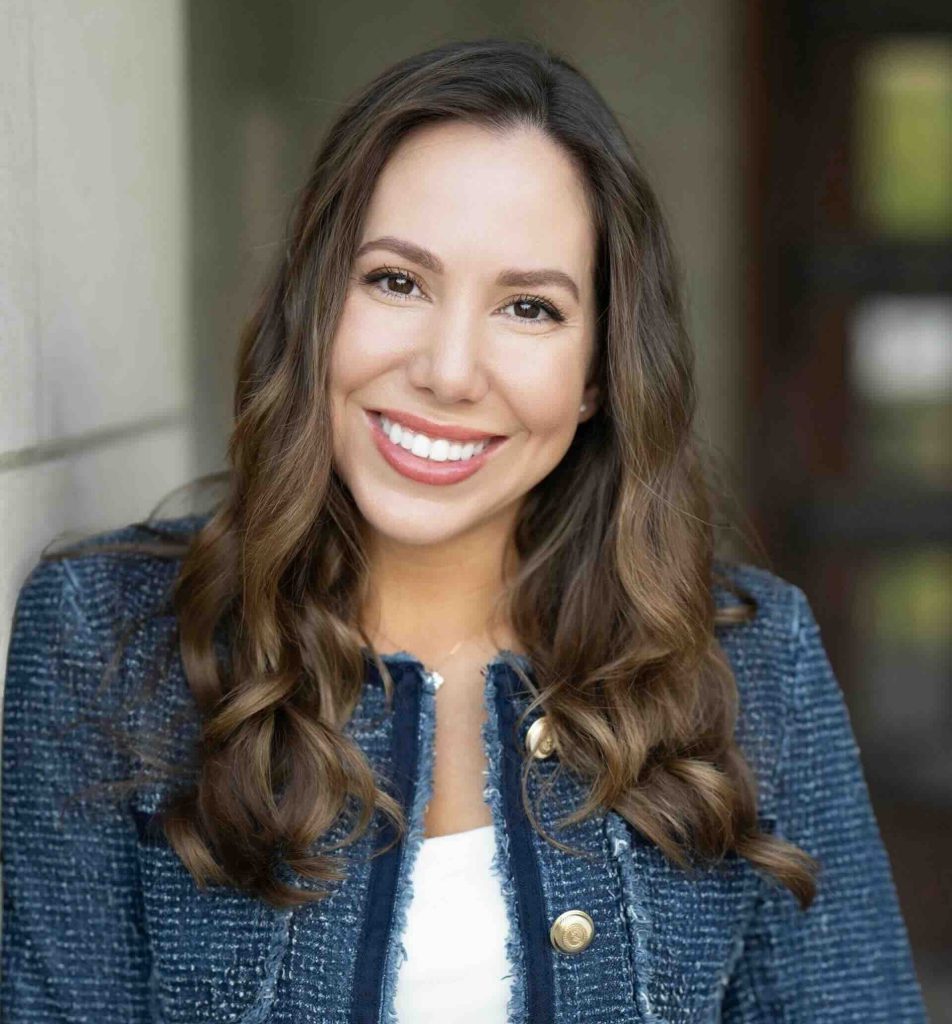
Venita Litvack, M.A, CCC-SLP (SHE/HER)
Venita is an Assistive Technology (AT) Consultant in south Florida. She has a passion for using AAC, AT, and literacy to support individuals with complex communication needs, autism, and other disabilities. Venita has delivered poster presentations on several topics related to AAC at ASHA and co-presented several ASHA CEU accredited courses. Venita co-authored two articles published in ASHA Leader’s online publication, as well as the Lou Knows What to Do book series published by Boys Town Press. Recently, Venita started utilizing the power of social media to empower and motivate educators across the country through the Speechie Side Up podcast, blog, Instagram account, and YouTube channel.

Kendal Martes, M.A. CCC-SLP, C-SLDI (SHE/HER)
Kendal Martes, M.A., CCC-SLP, C-SLDI, is a certified speech-language pathologist and structured literacy dyslexia interventionist. She serves as the Director of Outreach for an integrated dyslexia program at Friends Academy in Massachusetts, where she leads professional development, partnerships, and student evaluations. Kendal is also an adjunct professor in Special Education at Rhode Island College and a doctoral candidate at the University of Florida, specializing in dyslexia and literacy. Her clinical experience spans healthcare, public schools, independent schools, and private practice, and she is passionate about early identification of learning disabilities and the oral language foundations of literacy development.
Disclosure Statements
Venita Litvack has the following relevant relationships to disclose: ownership interest in Speechie Side Up, LLC and Tassel Learning, LLC; royalties from the Lou Knows What to Do book series. Venita is a member of the ASHA Special Interest Group 12.
Kendal Martes has the following relevant relationships to disclose: Kendal Martes earns a salary as the Director of Outreach at Friends Academy and receives compensation as an Adjunct Professor and College Supervisor at Rhode Island College; she also receives an honorarium for this podcourse and reports no non-financial conflicts of interest.
Learning Outcomes
As a result of this activity, participants will:
- Define Developmental Language Disorder and explain its core diagnostic characteristics.
- Identify 3 key components of a comprehensive evaluation for Developmental Language Disorder.
- Describe 2 ways Developmental Language Disorder intersects with dyslexia in school-age students.
- Describe evidence-based strategies SLPs can use to improve academic and language outcomes for students with Developmental Language Disorder.
Agenda
| 5 min | Introductions and Backgrounds |
| 10 min | Understanding Developmental Language Disorder |
| 15 min | Evaluating for Developmental Language Disorder |
| 10 min | DLD and Dyslexia |
| 15 min | Improving Outcomes for Students with DLD |
| 5 min | References & Closing |
Complaint Policy
To file a complaint or ask general questions about the complaint filing process, please contact our support team at info@tasseltogether.com
Refund Policy
Click here to read more about our refund policy.
Requirements
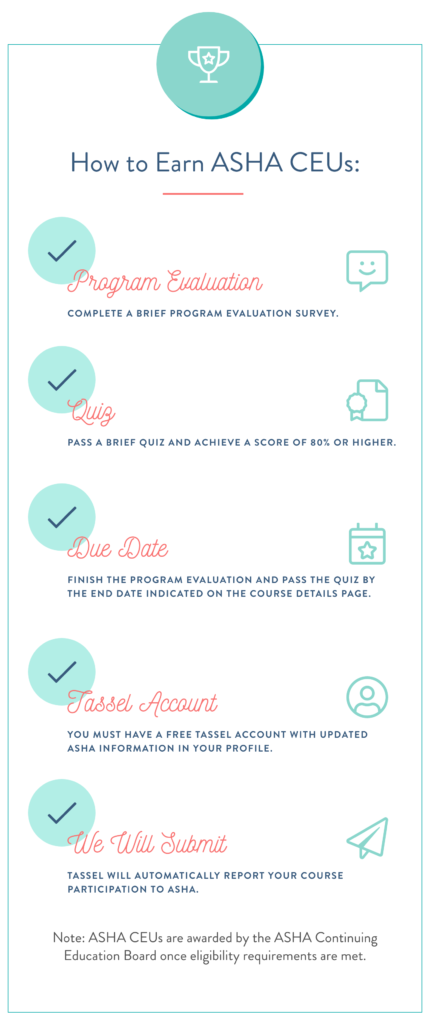
Course Content

 +147
enrolled
+147
enrolled
Course Includes
- 1 Lesson
- 1 Module
- 1 Quiz
- Course Certificate