Welcome to the Research Roundup Series!
In this series, we explore published research and discuss its potential implications for speech-language pathology practice. Our goal is to encourage critical thinking and evidence-based decision-making. We encourage participants to read the original research and evaluate the findings for themselves. This course topic is the use of AI in SLP practice.
Course Number: ABIO2625
When: Recorded playback is available between December 3, 2026 – December 3, 2031.
Where: Available under “Course Content” at the bottom of this page.
Description: In this course, participants explore the opportunities and challenges of artificial intelligence in speech-language pathology. Drawing on research by Georgiou (2025), participants examine how AI may support clinical assessment, intervention, and decision-making. Participants discuss ethical considerations, potential limitations, and responsible AI integration into clinical practice.
Who This Course Is Good For:
- ASHA members, CCC holders, licensed Speech-language pathologists (SLPs), and SLPAs working in school-based or pediatric settings
- Clinicians who use AI in conjunction with writing, therapy ideas, resources, and clinical information
- SLPs and SLPAs interested in strengthening their evidence-based decision-making skills
- Professionals seeking to critically evaluate AI use in the field
Who This Course Isn’t Good For:
- Professionals seeking hands-on training with specific AI tools or software.
- Clinicians looking for step-by-step instructions on implementing AI in clinical practice.
- Individuals seeking advanced technical training in AI development or programming.
- Professionals looking for AI certification or specialized competency training.
Presenters:
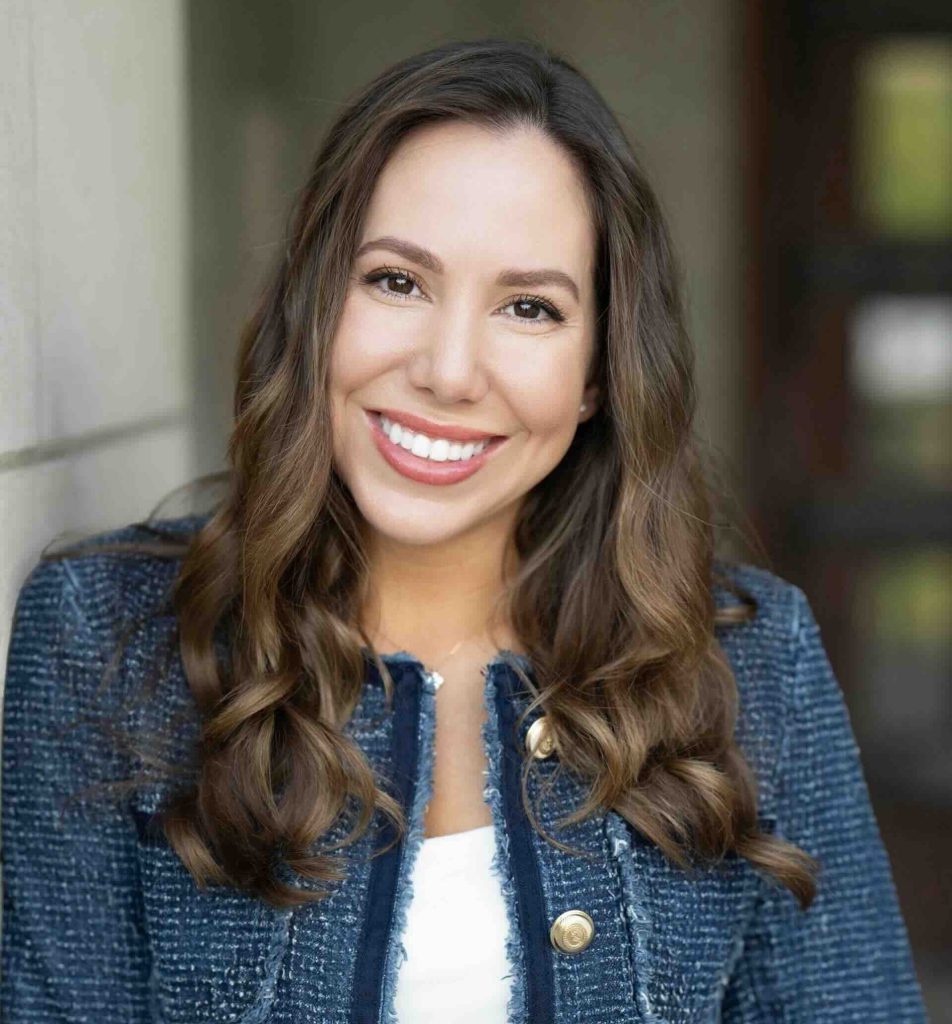
Venita Litvack, M.A., CCC-SLP (SHE/HER)
Venita is an Assistive Technology (AT) Consultant in south Florida. She has a passion for using AAC, AT, and literacy to support individuals with complex communication needs, autism, and other disabilities. Venita has delivered poster presentations on several topics related to AAC at ASHA and co-presented several ASHA CEU-accredited courses. Venita co-authored two articles published in ASHA Leader’s online publication, as well as the Lou Knows What to Do book series published by Boys Town Press. Recently, Venita started utilizing the power of social media to empower and motivate educators across the country through the Speechie Side Up podcast, blog, Instagram account, and YouTube channel.

Nicole Umana Dos Santos, B.A., SLP-A (SHE/HER)
Nicole Umaña Dos Santos is the Chief Operating Officer and ASHA Continuing Education Administrator (CEA) of Tassel Learning and co-host of the Speechie Side Hustle podcast. She has worked as a Speech-Language Pathology Assistant (SLPA) since 2017 and holds a bachelor’s degree from Emerson College. Nicole is also the founder of Nicole Umaña Creative, where she supports small businesses with branding and design strategy. She is passionate about helping clinicians build aligned, sustainable careers through entrepreneurship, intentional growth, and creative expansion.
Disclosure Statements
Venita Litvack has the following relevant relationships to disclose: ownership interest in Speechie Side Up, LLC and Tassel Learning, LLC; royalties from the Lou Knows What to Do book series. Venita is a member of the ASHA Special Interest Group 12.
Nicole Umana Dos Santos has the following relevant relationships to disclose: serves as Chief Operating Officer of Tassel Learning and receives compensation for this role. She is also the owner of Nicole Umaña Creative.
Course Content Disclosure: This course examines findings from Diehm and Hall-Mills (2023), Like, Comment, and Share: Speech-Language Pathologists’ Use of Social Media for Clinical Decision Making, and discusses their potential implications for clinical practice. This course is intended to encourage critical discussion of published research. Participants are encouraged to read the original article and independently evaluate the evidence when making clinical decisions.
Learning Outcomes
As a result of this activity, participants will:
- Identify at least two opportunities and two challenges associated with the use of AI in speech-language pathology.
- Describe at least two ethical principles that guide the responsible use of AI in clinical practice.
- Explain the importance of clinician oversight when using AI tools to support clinical decision-making.
Agenda
| 2 min | Introductions and Backgrounds |
| 10 min | Research Overview |
| 5 min | Implications for practice: AI in Clinical Practice |
| 10 min | Implications for practice: Responsible AI & Ethical Considerations |
| 5 min | Who Should Be Held Accountable for Responsible AI |
| 4 min | Exercise, References & Closing |
Listen for free on Youtube or the Speechie Side Up podcast.
Complaint Policy
To file a complaint or ask general questions about the complaint filing process, please contact our support team at info@tasseltogether.com
Refund Policy
Click here to read more about our refund policy.
Requirements

 +145
enrolled
Course Includes
- Course Certificate