Course Number: ABIO2604
When: Recorded playback is available between March 18, 2026 – March 18, 2031.
Where: Available under “Course Content” at the bottom of this page.
Description: This course explores clinician self-advocacy as a form of patient advocacy, highlighting how clinicians’ voices influence outcomes, trust, and equity in disability services. Participants examine systemic barriers in early intervention, identify reforms for person-centered care, and learn actionable advocacy strategies that protect clinicians’ ethics, livelihoods, and well-being.
Who This Course Is Good For:
- ASHA members, CCC holders, and licensed professionals engaged in disability, early intervention, or healthcare systems work.
- Clinicians who want to strengthen advocacy skills for systemic change impacting disabled individuals and families.
- SLPs, audiologists, and related professionals seeking tools to navigate ethical and systemic challenges in practice.
- Clinicians aiming to integrate clinician self-advocacy into patient-centered practice.
- Graduate clinicians preparing to enter clinical roles where advocacy and systems navigation are essential.
Who This Course Isn’t Good For:
- Professionals not currently providing clinical or direct care services or not planning to practice in settings involving disability systems.
- Individuals seeking courses focused exclusively on traditional clinical techniques without emphasis on systems advocacy or professional empowerment.
- Learners not interested in systemic reform, clinician advocacy strategies, or practice-level change frameworks.
Presenters:

Venita Litvack, M.A, CCC-SLP (SHE/HER)
Venita is an Assistive Technology (AT) Consultant in south Florida. She has a passion for using AAC, AT, and literacy to support individuals with complex communication needs, autism, and other disabilities. Venita has delivered poster presentations on several topics related to AAC at ASHA and co-presented several ASHA CEU accredited courses. Venita co-authored two articles published in ASHA Leader’s online publication, as well as the Lou Knows What to Do book series published by Boys Town Press. Recently, Venita started utilizing the power of social media to empower and motivate educators across the country through the Speechie Side Up podcast, blog, Instagram account, and YouTube channel.
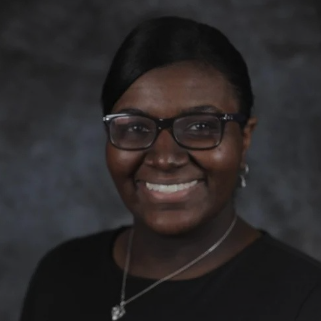
Sophie-Anais Renois, M.S., CF-SLP/TSSLD-BE (SHE/HER)
Sophie-Anais Renois, M.S., CF-SLP/TSSLD-BE, is a Black, multilingual speech-language pathologist from Long Island whose lived experience as a chronically ill patient deeply informs her person-centered approach to care. She has clinical experience across schools, outpatient settings, early intervention, skilled nursing facilities, and home health, serving pediatric through geriatric populations. Sophie-Anais is a passionate advocate for both healthcare professionals and the individuals and families they support. She has led advocacy efforts related to early intervention and CDPAP reform, collaborating with colleagues, legislators, and media to raise awareness and promote meaningful systemic change.
Disclosure Statements
Venita Litvack has the following relevant relationships to disclose: ownership interest in Speechie Side Up, LLC and Tassel Learning, LLC; royalties from the Lou Knows What to Do book series. Venita is a member of the ASHA Special Interest Group 12.
Sophie-Anais Renois has the following relevant relationships to disclose: Sophie is receiving an honorarium for this presentation. Sophie is a member of the Council for Exceptional Children (CEC), NYSSLHA (New York State Speech-Language Hearing Association) & LISHA (Long Island Speech-Language Hearing Association). Sophie is on the social media & brochure committees of LISHA.
Learning Outcomes
As a result of this activity, participants will:
- Define the role of clinician self-advocacy and explain its impact on patient outcomes and family trust.
- Identify 2 systemic barriers in early intervention and disability services that disproportionately affect disabled individuals, families, and frontline providers.
- Describe reforms that promote equitable, sustainable, and person-centered disability services over administrative efficiency.
- Identify 2 actionable strategies clinicians can use to advocate for systemic change while protecting their licenses, livelihoods, and mental health.
Agenda
| 5 min | Introductions and Backgrounds |
| 10 min | Defining Clinician Self-Advocacy and Its Impact |
| 15 min | Identifying Systemic Barriers in Disability Services |
| 10 min | Describing Reforms for Equitable and Person-Centered Care |
| 15 min | Identifying Actionable Advocacy Strategies |
| 5 min | References & Closing |
Complaint Policy
To file a complaint or ask general questions about the complaint filing process, please contact our support team at info@tasseltogether.com
Refund Policy
Click here to read more about our refund policy.
Requirements
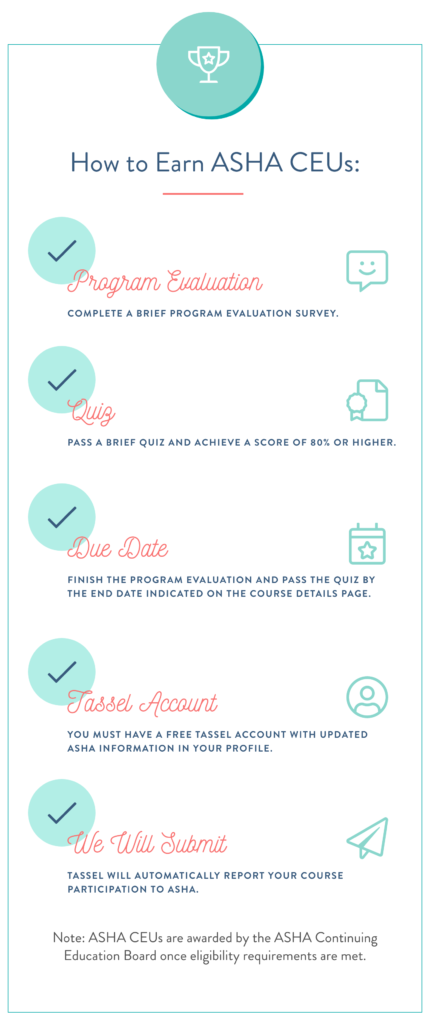
Course Content

 +349
enrolled
+349
enrolled
Course Includes
- 1 Lesson
- 1 Module
- 1 Quiz
- Course Certificate